Wondering to Jerusalem: A New Book & New Opportunities

I remember a conversation with my colleague and fellow Jesus-gal, Vanessa Myers, when she shared that the Lord was leading her to follow up her beautiful Advent book, Wondering to Bethlehem, with a resource for the season of Lent. I’m happy to say—it’s here!

Wondering to Jerusalem: A Wonder-Filled Lent Devotional for Kids is written especially for children and for parents of littles who aren’t yet readers. It gently invites families to journey to Jerusalem during the final week of Jesus’ life on earth, leading up to His death and resurrection. Through simple readings and thoughtful “I wonder…” questions, it opens the door for meaningful conversations about this historically true event on which our entire Christian faith is built.

With forty devotions—plus three bonus entries—we travel with Jesus as He makes this final journey to Jerusalem. Each day includes a Scripture “packing list,” a short set of “I wonder…” questions, and a guided prayer, followed by a full journal page and space to draw a visual snapshot of the scene.

But this book is so much more than a kids’ devotional.

It has inspired me to design and prepare Children’s Moments for our church-wide worship services. The spiritual depth is remarkable—grounded in Scripture and supported by historical writings—for all ages and stages. From detailed information about the temple to helpful layouts in the appendices, to insights about donkeys and daily life, there is so much here. Even as a long-time Christian, I learned new, trustworthy details about the story that defines our faith.

So, what am I going to do with it? Great question!

First, I placed a bulk order for every student in K5–5th grade, as well as for each family in our nursery, to encourage daily reading and response from Ash Wednesday through Easter Sunday. I also ordered several extra copies to share at the Georgia Preschool Association Annual Conference in February and at a community event we’ll sponsor with a local senior living center on Palm Sunday.

Second, Vanessa has created a simple and meaningful Family Event, now available on her website. Our church is partnering with a local senior living center to host this event on Palm Sunday from 3–5 pm, outdoors, bringing together our families and the families of residents. The senior living center is providing the staging, sound system, some door prizes, and food—charcuterie cups featuring Middle Eastern flavors. Their Bible study group will offer hospitality, take photos at the photo booth, and engage families with “I wonder…” questions throughout the event.

Our local church team will bring the activity stations, photo booth supplies, and volunteers to connect with both church families and residents. We’ll also invite the families of our students and adults with disabilities to arrive 20 minutes early. We’ll close the event with a viewing of the recording of our elementary students’ shadow presentation of the song “King of Kings,” which we’ll prepare and record during Lent at the Spring Hallelujah Camp.

Vanessa Myers has generously offered to give one free copy of Wondering to Jerusalem to a blog reader. If you’d like to receive the gift copy (mine is already written in!), please comment by Friday evening—wherever you’re reading this—and share one of your favorite Easter or Lent traditions.

You can find information about bulk book orders here. You can also find the Family Event resource here, along with many other scripturally true resources for families and kidmin leaders.

I’d love to hear how you plan to use this wonderful resource in your own context. A children’s sermon? An at-home family resource? Special weekly programming? A Family Event or community faith-formation gathering?

Vanessa has diligently and faithfully done the hard work. What might this resource inspire for you?

“When Jesus entered Jerusalem, the whole city was stirred and asked, “Who is this?” Matthew 21:10

My Plus One at a Graveside

My friend’s mother passed away several months ago. I never had the privilege of knowing her mother personally, but I learned she was a devoted wife, a loving mother, a faithful participant in her church’s women’s Bible study for many years, and someone who was deeply cherished by all who knew her. My friend and her husband have raised three remarkable young men—Eagle Scouts—and they are eagerly awaiting their first grandchild. The sudden loss of this wonderful woman of faith and family has been heartbreaking for them. The holiday season which followed has been difficult to say the least.

Because Mr. Bob and I couldn’t get back from a site visit for March’s R3 Gathering in time for the visitation the night before, I planned to attend the graveside service the next day. Well before any arrangements were made, we had already promised the big grands a weekend of Christmas decorating. Grand N stayed behind to help Pops with the heavier work, and Grand E, came with me—ready to serve as my plus-one as we offered a simple ministry of presence to my friend and her family at her mom’s funeral.

It became a meaningful opportunity to teach E the rituals, practices, and language of honoring a life well-lived within Christian community. E had attended her great-grandfather’s funeral at age four or five; she is eleven now, ready to understand more deeply.

E is a believer and Jesus is her King, so I can use language like ‘God’s people’, ‘the way of Jesus people’, and though we are sad at the loss of our loved ones, we have ‘hope in Christ Jesus, the writer and perfecter of our Christian faith.’

E’s mom helped her choose appropriate clothes, shoes, and jewelry. On our way to the graveside service, we stopped at Honey Baked Ham to pick up something to share and packed it in a cooler. E was in charge of the ice.

We talked about where to sit or stand, how to greet people, and how to introduce herself with eye contact and a gentle handshake. We talked about how services like this remind Christians that this world is not our final home, that Jesus prepares a place for His own, that God’s Word is true, and that the Christian community comes together in seasons of joy and in seasons of sorrow. This is our way.

We chatted that there will always be seasons when God’s people hold both tissues and confetti—grief for what we’ve lost, and hope for the wholeness and healing promised in Heaven. We are meant to walk through these moments together for strength, comfort, shared stories, and care.

Funeral services help provide a transition through practices, people, stories, and the start of new normals. These moments are difficult, and even more difficult when faced alone or without space to process. Such services are for the living—for those left to remember, to grieve, and to be supported by the Christian community through offerings of presence, food, and acts of kindness.

When we arrived, I quietly introduced E to the family members, their names, and how they were related. I quietly pointed out the items under the tent, explained their purposes, and shared how each element in the service was chosen by loved ones or the family to honor her life.

We talked about grave markers, dates, the meaning of the dash between them, flowers, vases, and the difference between settled and freshly placed sod. We noticed one gravesite decorated with garland, spinners, photographs, and colorful plastic flowers. E asked if she could visit it after the service. She did.

Throughout the service, she watched and listened with full attention—the message, the music, the poem written and read by my friend’s sister. E stood quietly and respectfully the entire time. After the pastor dismissed us, we walked slowly to retrieve the cooler, placed it by my friend’s truck door, and began our drive home.

In the car, she asked thoughtful questions: “Who decides who gets to speak?”, “How do people find out someone has died?”, and “What happens next?” We talked about the first funeral I attended and others I have experienced. She even began thinking through who should speak at my funeral—“a very long time from now,” she assured me.

She was respectful, steady, curious, and unafraid. I was grateful for this sacred teaching moment even as I stood quietly in support of my grieving friend.

Less than ten days later, E’s other grandmother passed away suddenly. Lots of feelings, lots of hugs, lots of stories, lots of decisions were made for the family to travel to south Florida to be present and celebrate the life of a beautiful mother, wife, sister, and daughter of the King of Kings.

Grand E spoke at her grandmother’s service with her daddy standing at her side. She knew exactly what she wanted to say.

We Jesus people do things differently.

And Grand E knows.

“These things have I written unto you that believe on the name of the Son of God; that ye may know that ye have eternal life, and that ye may believe on the name of the Son of God.” 1 John 5:13 KJV

Small Talk Is A Big Deal

Small talk builds trust. It signals respect and genuine interest. It creates a sense of belonging, opens the door for influence and collaboration, and is often the first step toward honest, meaningful connection.

I love small talk. Not everyone does—and that’s okay. Small talk is a skill that can be learned and practiced. More than that, it’s a simple but powerful act of presence.

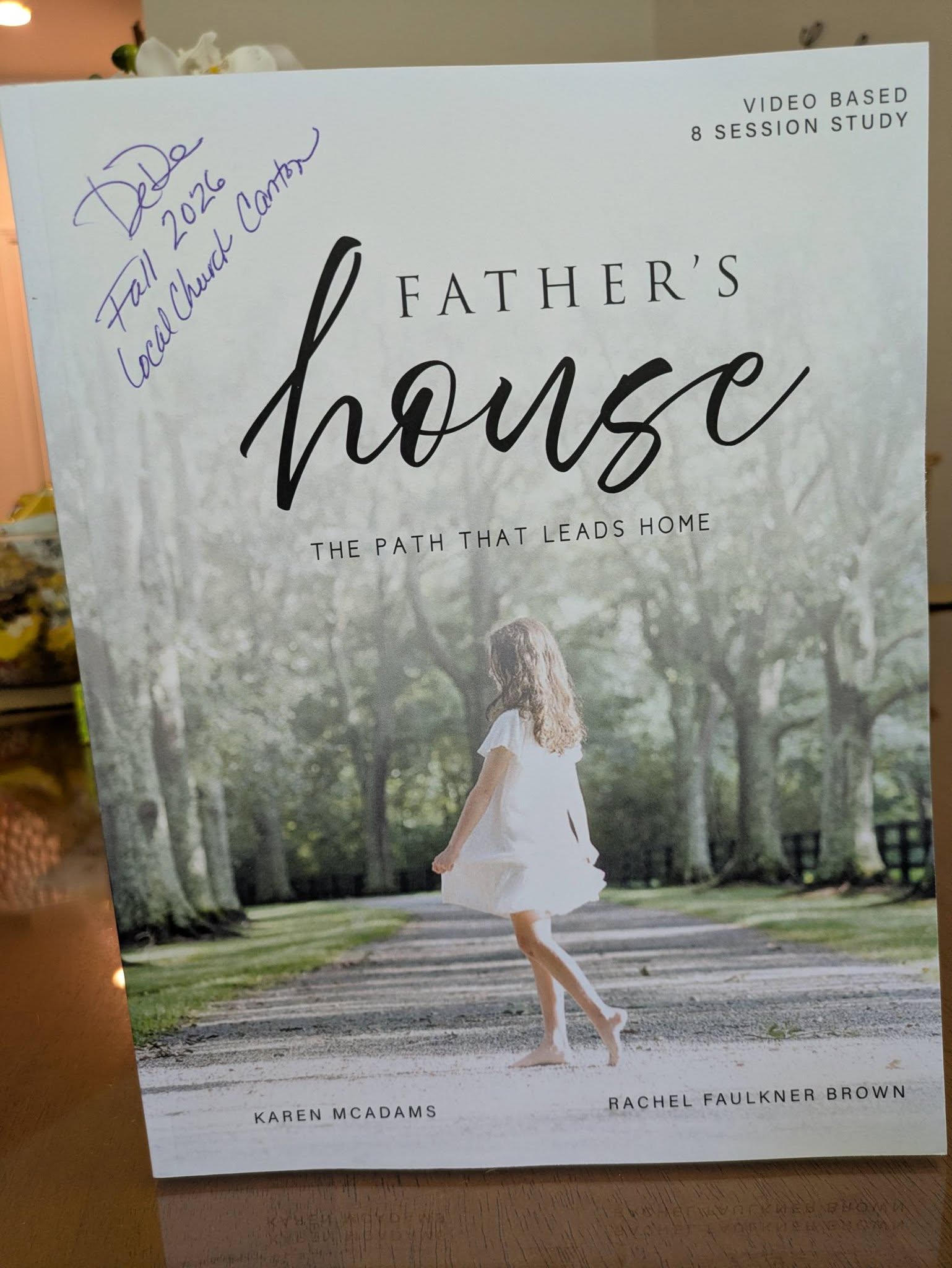
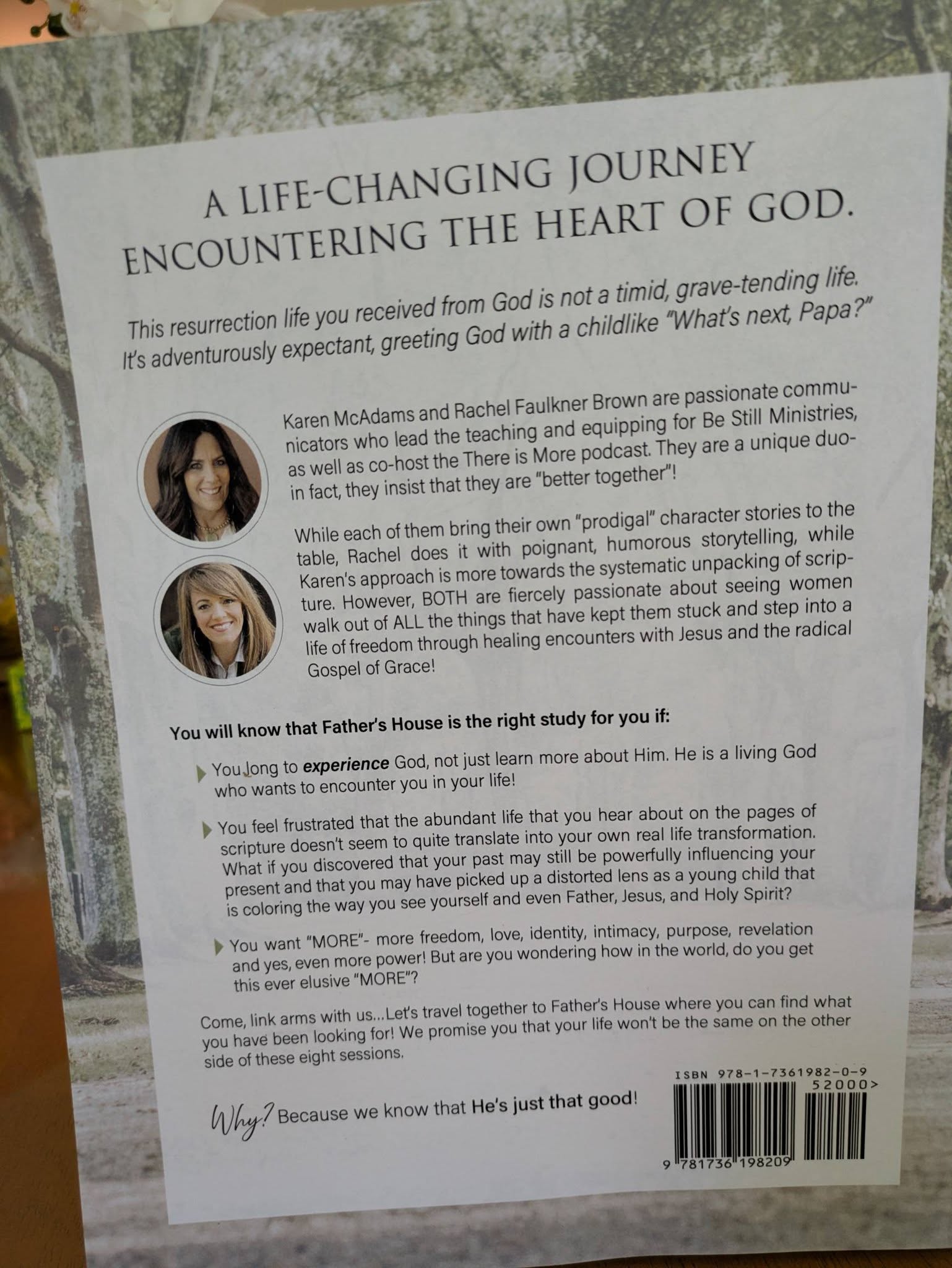
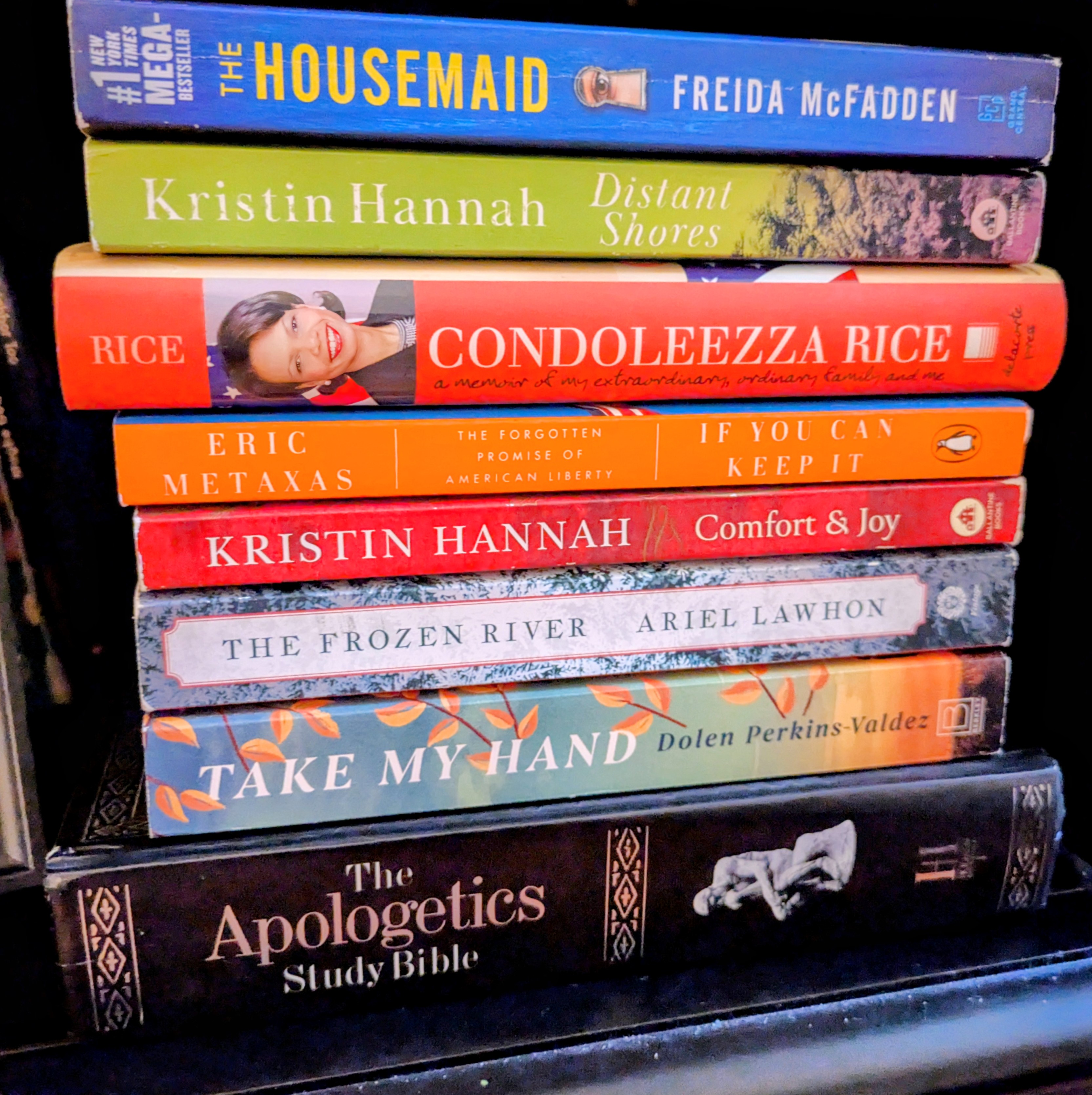
Lately, I’ve been listening to some excellent podcasts and reading some great books on connection and conversation that have helped me grow in this skill, including:

A line that stuck with me from BigDeal: “Conversation is not a soft skill-it’s a science.”

One of the best takeaways? When you know you’ll be entering a situation where small talk will be necessary (as in every group setting), come prepared with one or two good questions to ask, and small talk becomes easy.

My prepared question for January is simple: What are you most excited about in 2026?

And just in case the question comes back to me, I’ve prepared a few answers, too.

Answer #1: Mr. Bob and I are heading to the Creation Museum and the Ark Encounter with our big grands for my February birthday. It’s been on my bucket list, and sharing that experience with them means making memories—and enjoying great apologetic and historical conversations along the way.

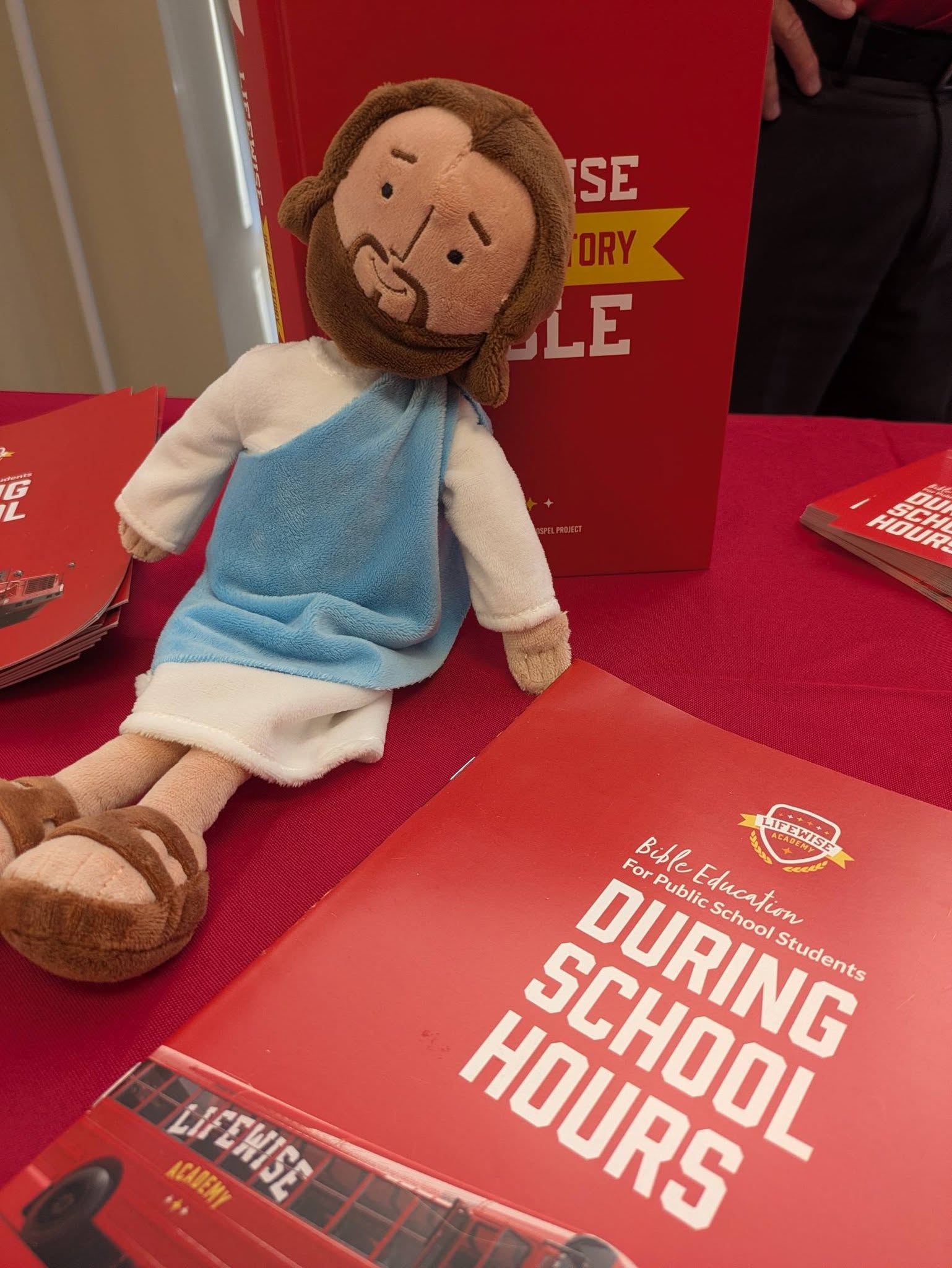
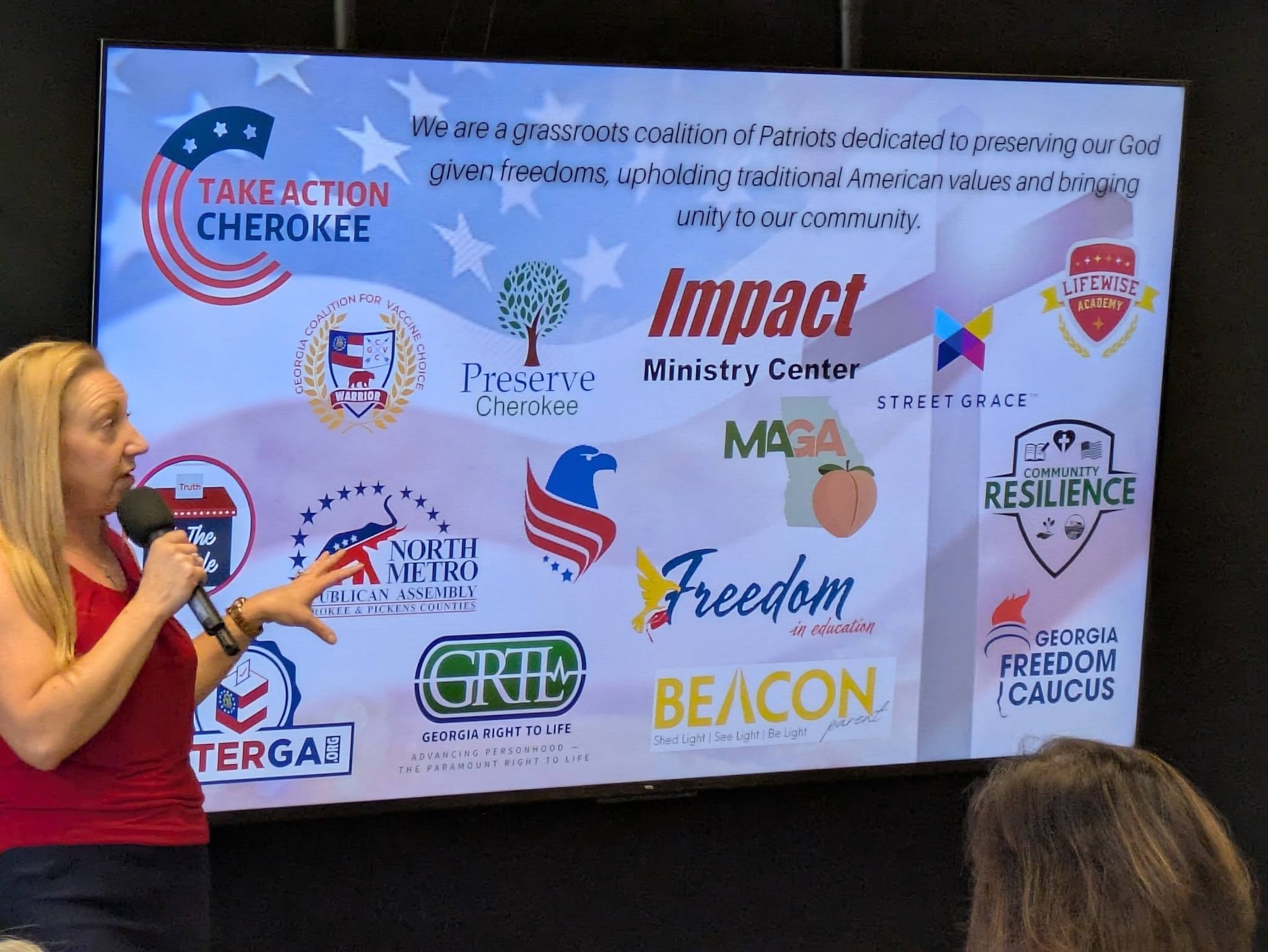
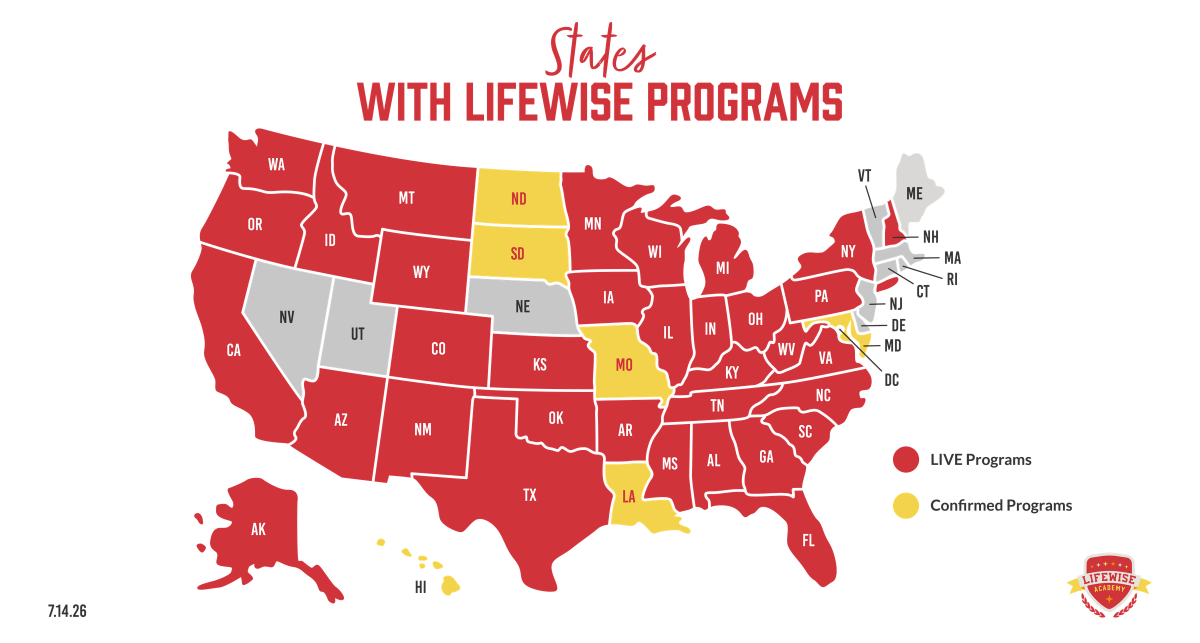
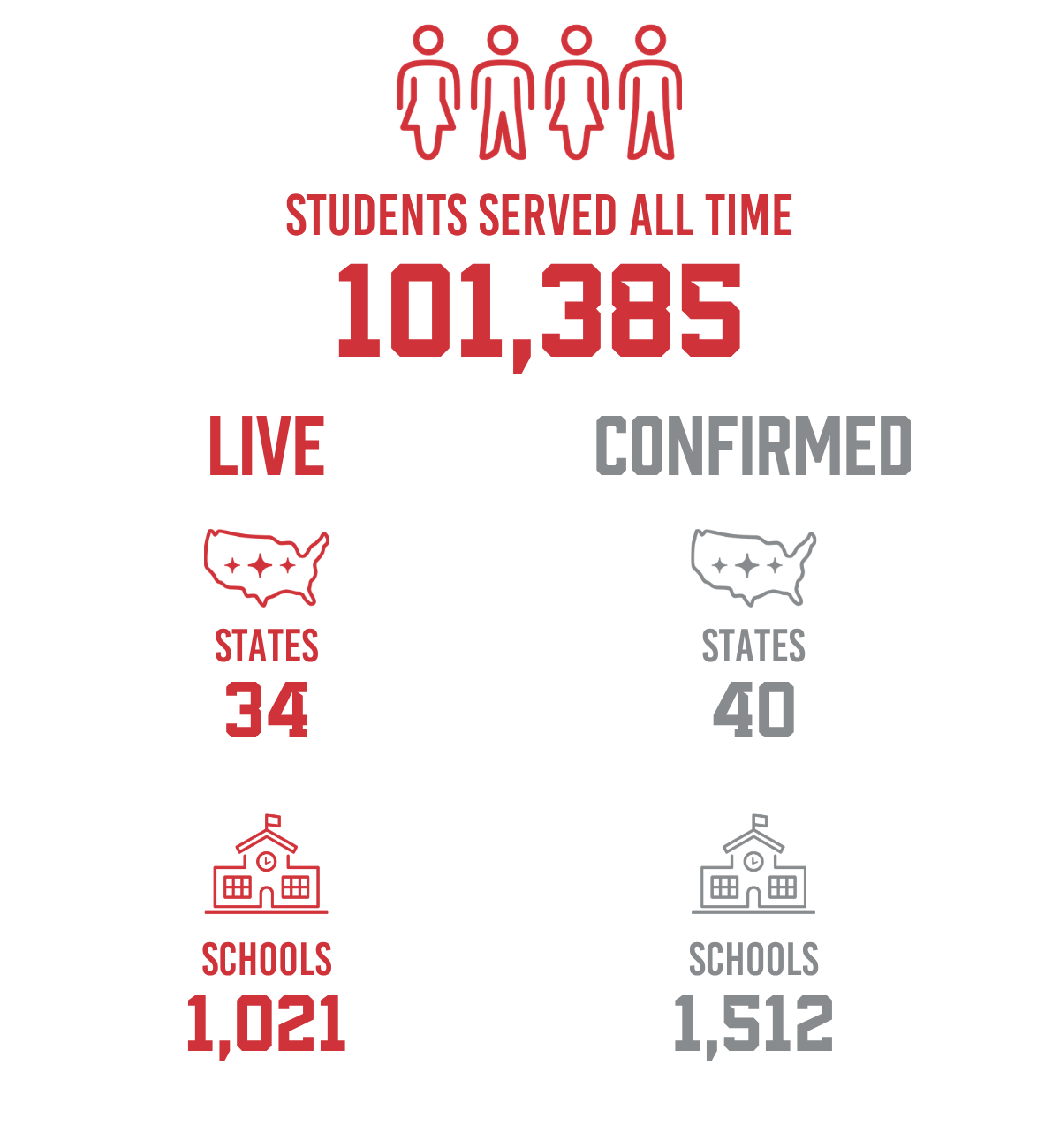
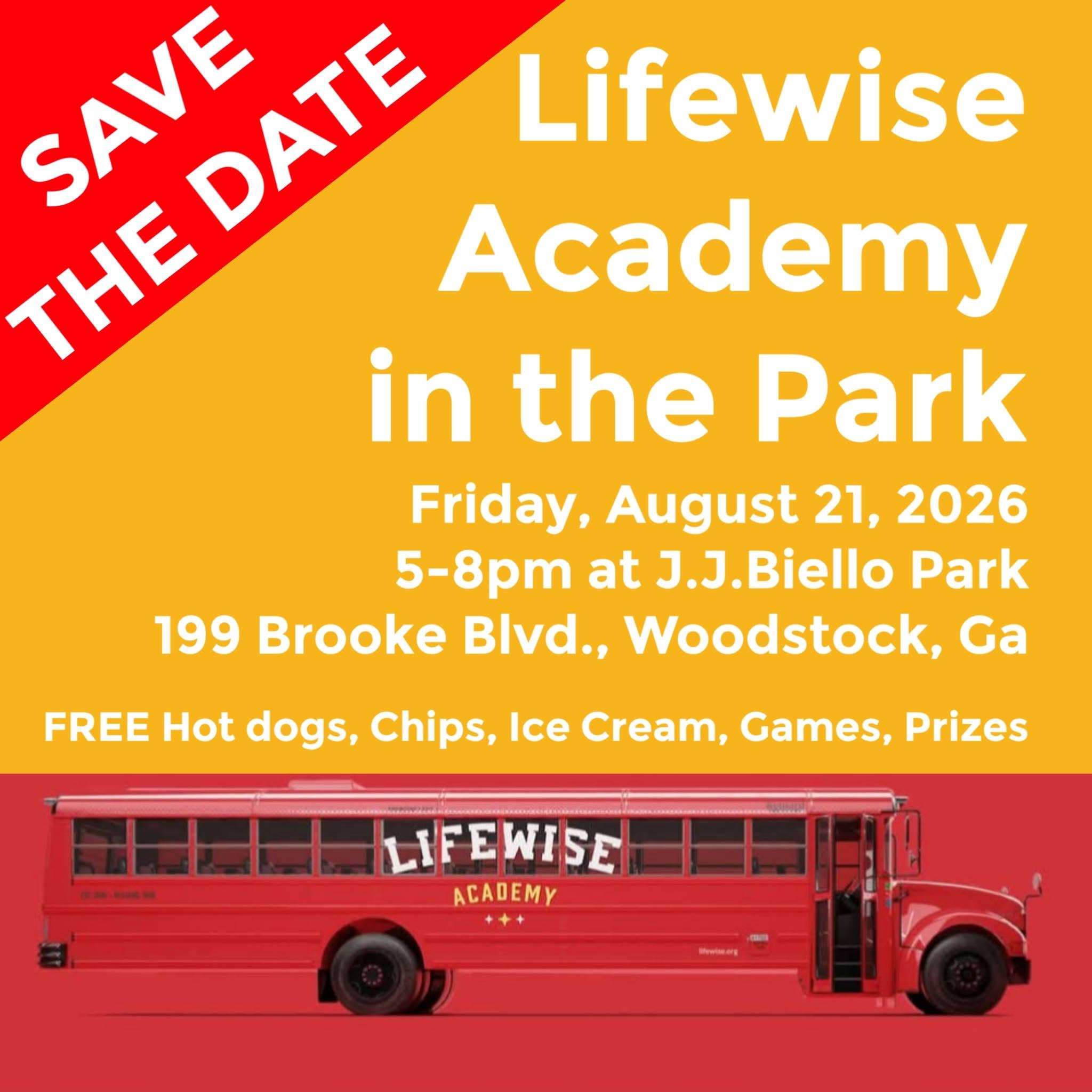
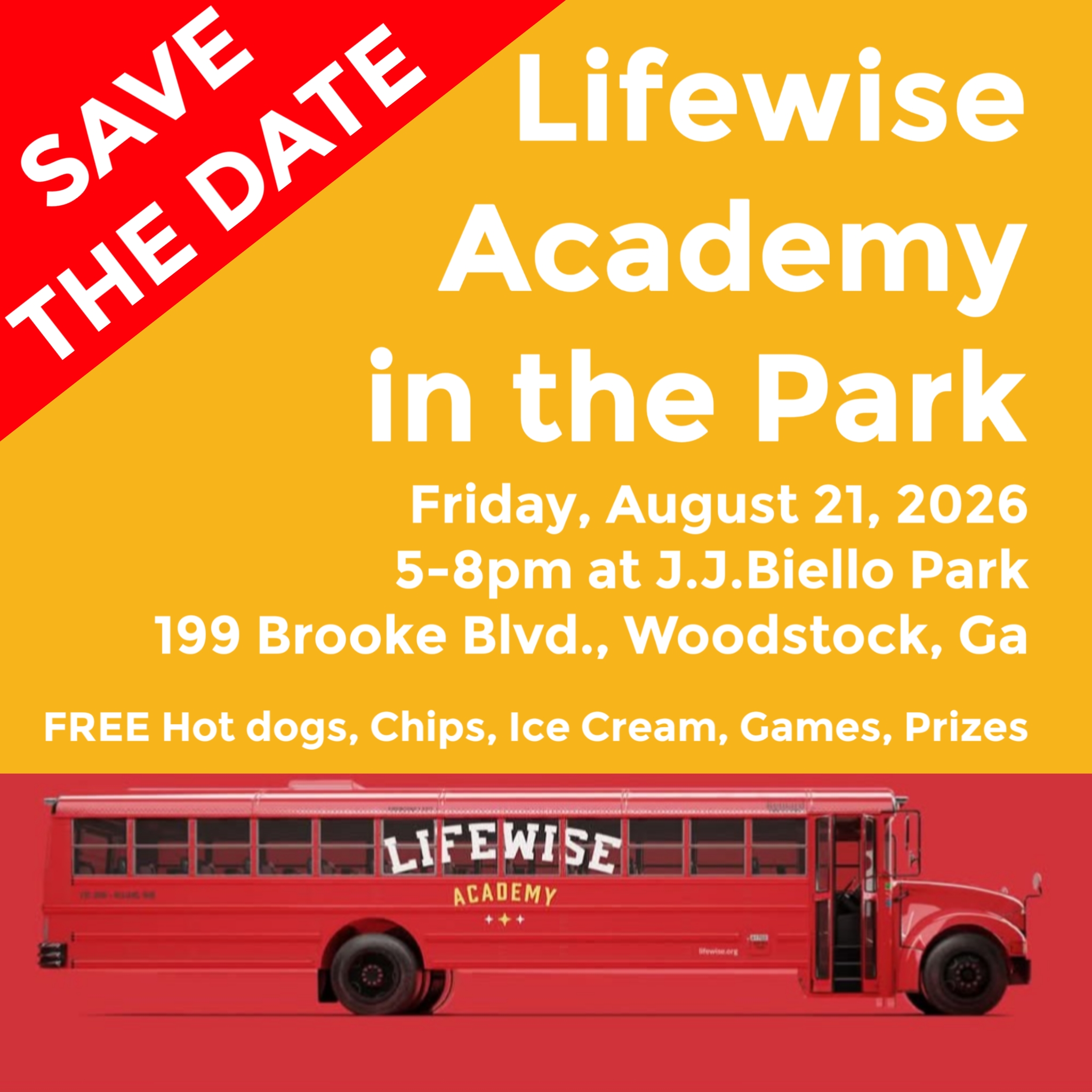
Answer #2: Launching LifeWise Academy for 1st–3rd graders in my county. This has been more than two years in the making, and each Thursday starting this week, I’ll get to serve as the bus teacher and alternating 2nd grade Bible teacher. With limited time, the bus rides are a great time for music, games, and connection. Just last Sunday, our LifeWise Cherokee County team delivered swag bags—complete with bubble machines and great enthusiasm—to the families already registered. Lots of additional encounters took place when the big, red LifeWise bus came to their very front door with Christmas lights and more.

Answer #3: I’ve asked the Lord to grow in me this year the fruit of the Spirit of gentleness—responding with tenderness. Yes, my maiden name is Bull, but I’m choosing to live in a posture of love going first. God has gently convicted me not only to grow in small talk, but in gentle and tender conversational skills. I want to go deeper in conversations more quickly and to be bolder in sharing the good news of Jesus with my words. I want to be a better communicator across the table, on the phone, and with those I love. It’s less about the sage from the stage and more about the guide alongside.

Sooooooo, what are you most excited about in 2026?

“Teach us to number our days, that we may gain a heart of wisdom.” Psalm 90:12

Love Can Go First

Andrew Forrest is a pastor and the author of Love Goes First. As soon as the audiobook was released, I downloaded it on Audible—and finished it within a week; some parts I listened to more than once. The book is rich with Scripture, each passage pointing the reader/listener toward a simple but demanding call: move toward one another in love. Act, don’t react. The stories Forrest shares—both past and recent—bring that call to life.

I’ve noticed a growing trend in Christian-living literature over the past few years: a renewed effort to equip believers with practical ways to live out our faith in Jesus in a culture that is increasingly hostile to a biblical worldview.

After years of hearing “be kind” everywhere—from classrooms to commercials—I expected compassion to flourish. Instead, Christians, law enforcement, and those holding culturally unpopular views are often met with open and even violent hostility. Feelings have been elevated over facts, and the results are painful.

Books like Mama Bear Apologetics remind me that God did not design the brain to host unchecked emotion and thoughtful reasoning at the same time. One part of our brain helps us survive—fight, flight, or freeze—while another allows us to pause, think, and problem-solve.

The Apostle Paul urged believers in 1 Corinthians to take every thought captive and make it obedient to Christ, even when our feelings are loud. Forrest echoes that truth: feelings don’t care about facts—facts don’t care about feelings, but faith trains the mind.

At the heart of Love Goes First is a courageous question: How do we live out Jesus’ command to love God and love our neighbors when our neighbors hate us?

Forrest reminds us that, as it is written in all four gospels, Jesus was deeply hated—and yet He moved toward others in love, palms up, arms open, fully vulnerable, even unto death. Love has always come with a cost.

As Christians—little Christs—we train ourselves through practices to live this kind of love. We choose it knowing it’s gonna hurt. Knowing we will likely be disappointed, embarrassed, rejected, or betrayed. And still, we move forward in love.

Forrest describes a clear cultural shift over the past several decades.

From 1964 to 1994, Christianity was viewed positively, so when Billy Graham invited people to “come back” to faith, there was a shared belief that sin was real and God’s grace was needed.

From 1994 to 2014, the culture grew more neutral, with Christianity becoming just one option among many for personal fulfillment, often expressed through social justice and acts of charity.

However since 2014 the culture has turned openly hostile toward core, traditional Christian beliefs. His cultural examples were shocking and I can recall the shift with my own personal examples.

Today, culture defines the “right kind” of Christian as one expected to tolerate all views simply to keep the peace, while the “wrong kind” is one who openly accepts and tells the world that Jesus as the only way to salvation. Traditional Christian truths are often dismissed with statements like, “I’m a good person— I don’t believe in a negative, judging God.”

Judah Smith and Dr. Les Parrott note in Bad Thoughts that the average person thinks about 60,000 thoughts a day—and nearly 80% of them are negative. So how do we break free from cycles of negativity and a tolerance for a critical spirit?

We practice palms-up, arms-open love. We expect it to be costly. And we choose it anyway.

This is the set-apart life—scriptural holiness. It’s not simply “love first.” It’s love goes first. Love that moves. Love that initiates and take the initiative toward sacrifice.

My dad used to call it “expecting the worst while hoping for the best,” all while continuing toward goals worth chasing: redemption, restoration, and repair. That’s where the Holy Spirit grows fruit in us—love, joy, peace, patience, kindness, goodness, faithfulness, gentleness, and self-control. I don’t fear failure nearly as much as I fear regret. My only fear of failure is that of disappointing my God and the clear scriptural commands of His own.

Jefferson Fisher writes in The Next Conversation that the purpose of our words should be to grow deeper in relationship—marked by trust, truth, and grace. Dr. Henry Cloud writes in Boundaries that the goal of healthy boundaries is to nurture and enable authentic and respectful relationships. Both are tools for love going first.

This past Advent, I felt the weight of unmet expectations. I said the wrong things. I misread situations. I replayed conversations in my head—hundreds of times—hoping for face-to-face moments that didn’t come. Until love went first.

I will keep walking with palms up and arms open—vulnerable, hopeful, not easily offended nor disappointed for the sake of love. Love is mostly an intentional action rather than a feeling. I can go with what I know and not with how I feel.

I can choose to go with what I know is true and set aside my feelings for the sake of love. I can choose to not be overcome with negativity. I can rebuke a critical spirit. Hostility and anger have no place here.

After what Jesus has done for me, can I do anything less?

“Then the Lord said to Moses, “Why are you crying out to me? Tell the Israelites to move on.”” Exodus 14:15

Ordering Our Days by Calendaring Well

A brand-new calendar—full of wide-open white space—still makes me downright giddy. There’s possibility there. Hope. Room to breathe. Margin for the Holy Spirit. Space to disciple and be discipled. As you begin preparing for the next year, here are a few joyful and grounding questions to keep in mind:

A. What is your focus for the coming year?
As a church? As a family ministry? Clarity here shapes everything else. Where I serve, our first year was about getting our legal legs under us and getting the right people in the right seats on the bus. The second year was all about experimentation with what was in our hands, shared discipleship language, and setting organizational priorities. This upcoming year will be about systems and processes to scale disciple-making.

“Putting functional systems in place will never be urgent, but without them, everything becomes urgent.” Sustainable Children’s Ministry by DeVries & Safstrom

B. What days are already “known” or traditional in your church and community?
These are opportunities for family ministry to partner with, not compete—inviting disciples of all ages and stages to belong to the larger story.

C. Where do you already have champions?
Name the leaders, and their wingmen/wingwoman, who can take the point, champion, and advocate. Shared leadership is a gift.

D. What personal and professional priorities must be guarded?
Your calendar should protect what matters most, not crowd it out.

E. Plan 18–24 months ahead.
I do this every January and June. Future-you will be so grateful.

F. Remember: calendaring is not planning.
Calendaring is about partnership. It’s placing faith formation events and seasons where they complement the whole church—the full Body of Christ—not just one ministry. When we say ‘we are partnering with the families we serve’ we agree that the rhythm of our community has a say in what is prioritized and reasonable for families.

Now gather your tools.

Start with a blank paper calendar. Yes—paper. It helps you see the whole year at once. You can always transfer it to your apps later.

Block your vacation and Sabbath first.
Shauna Niequist writes in Present Over Perfect: “I fake-rested instead of real-rested, and then I found that I was real-tired.” Loving your work is a gift—but it makes it easy to overextend. A healthy “yes” requires a faithful “no.” Sustainability matters. You’re in this for the long haul.

Pull out last year’s calendar.
Note when planning actually needs to begin and mark cultural holidays like Mother’s Day, Father’s Day, and time change weekends. For example:
• Round Up in October requires June planning (90-120 days out at least for all big events)
• Palm Sunday sometimes falls during spring break; Advent season theme set in August
• Confirmation season requires counting backwards from Confirmation Sunday to the start of school with a parent meeting two weeks before
Patterns matter.

Add the church calendar.
Avoid conflicts with space, volunteers, and major seasons like Advent and Lent. Big church-wide events can drain volunteer energy—plan wisely. Be sure your regular Sunday morning “daily bread” is protected. Anything else is whipped cream. Add those items which are part of the church’s DNA.

Have a pencil and a really good eraser.
Trust me. Neat erasing matters. Only holidays and birthdays go on in ink.

Look at the school calendar.
Know when families are gone—and when they’re home. Fall and spring breaks often mean lower attendance, which can open creative doors. Pay attention to those fifth Sundays, how Easter and Christmas fall during the week.

Check the youth calendar.
Family ministry often rely on youth partnerships, and it’s beautiful for all ages. Coordinate summer outreach, retreats, mission trips, and holidays so families aren’t stretched thin. I’ve set a calendaring meeting with our youth/young adult lead for today, Dec. 30th to get a balcony view for the next 18 months together. Partnership.

Mark networking, training, and conference dates.
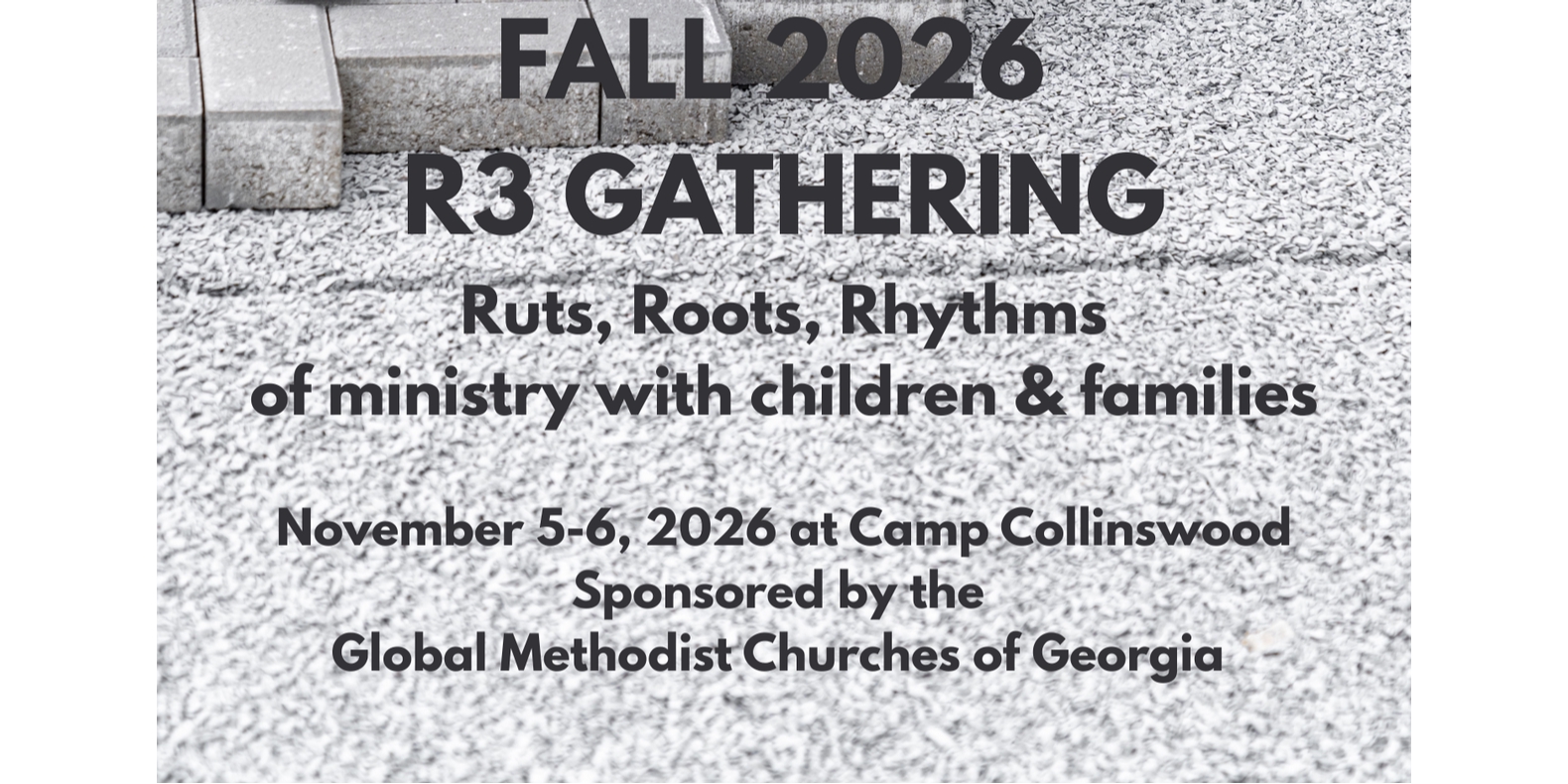
Getting out of your own building. Learning alongside others keeps you sharp, encouraged, and energized. Early-bird pricing is also a blessing. Right now, until January 3rd, it’s only $93 per person to attend the Global Methodist Church R3 Gathering for North and South Georgia for two days, one night in March. Register here.

And yes—college football schedules.
We live in the South. Enough said.

Now map out the next 18 months. Set aside uninterrupted time. Pray before, during, and after. Honor the rhythms of your community. Be mindful of volunteers’ time and families’ capacity. Map Sundays and Wednesdays carefully—this is the faithful, weekly work. When we are scheduling team meetings either monthly or quarterly, be mindful of families being separated where one or both are at church more than three or four nights in a week. Remember: we are in a discipleship partnership with each family.

When you’re finished… you’re not really finished. The calendar will change. It always does. But now you have a strong, prayerful starting point—one that keeps priorities aligned, allows you to plan well, communicate clearly, and reminds your family (and yourself) that they matter just as much as the ministry. Then it’s time to place it on the church calendar, reserve rooms, and set up online registrations so you can prepare a ‘cadence of communication’ for your team, your family, and the families you serve.

And that’s a beautiful way to begin a year.

“Teach us to number our days, that we may gain a heart of wisdom.” Psalm 90:12

Hallelujah Camp

The purpose of Hallelujah Camp was simple and focused: to practice and prepare a children’s Christmas presentation for worship the very next day. It was a four-hour, bring-your-own-lunch camp on Saturday from 10am–2pm, all leading to a four-minute+ presentation in Sunday worship.

The idea was inspired by a children’s shadow presentation I had seen online last year and hoped to replicate. Hosting the camp the day before nearly guaranteed student participation, and parents clearly understood the expectation when they registered for any children ages kindergarten through fifth grade.

We had just celebrated our Live Nativity the previous Sunday, so costumes were already on hand. We added only a few simple props—two trumpets, a star, shepherd staffs, a plush baby, and a camel cutout easily prepared by their creative Bible study teacher.

The Wednesday evening before camp, the director and I met with our worship, music, and tech leaders to coordinate shared space, lighting, sound, spotlight placement, and the screen needed for a true shadow effect. On this particular Sunday we were also enjoying the seasonal choir with their community program that Sunday night, Confirmation, baptism, and membership on top of all the other Sunday morning worship goodness. Logistics were a premium consideration in that shared space. These servant leaders were gracious, helpful, and wonderfully resourceful. A follow-up email outlining our plan—along with a link to the original shadow play for visual reference—helped ensure everyone was aligned.

Camp day flowed like this:

  • 10:00am – Students arrival with lunch and water bottles
  • 10:15am – Watch the original shadow play; assign parts; group students into “actor teams”
  • 11:00am – Nativity sticker craft in another room (a creative break for kids and planning space for leaders)
  • 11:15am – Stage students with props to learn shapes and body positioning
  • 11:45am – Lunch break while the director reviewed staging
  • 12:00pm – Costumes on; props in hand; dress rehearsal with floor marking
  • 1:00pm – Outdoor break for fresh air walking around the buildings
  • 1:15pm – Two full dress rehearsals with adjustments inbetween
  • 1:45pm – Return to children’s spaces; label costumes; choose ornaments and receive plush baby Jesus keepsakes

One of the best conversations happened with our tech lead as we decided how to present the shadow play for livestreaming. We chose to capture the image on the monitors instead of the shadow screen—and it turned out beautifully. That choice allowed the segment to be easily shared on its own. Our incredible communications leader made it shine for sharing later in the week online.

Perhaps the most joyful discovery of all was this: the children didn’t see the shadow play as a performance. They worked together as a cast, telling a story. No stage bow and they simply returned to their seats with their parents. Even more beautifully, our creative director expanded the ending to include the full story of Jesus—His death on the cross, burial in the tomb, Mary kneeling in grief, and His resurrection. The Gospel was shared in its fullness through song and image.

Because of this success, we’re planning another shadow play with music for Lent. With a major worship center renovation ahead and limited live-staging options, we’ll host another Hallelujah Camp on a Saturday during Lent and record the presentation at the conclusion of camp. The worship team will then choose the best moment to share the recording during next year’s Palm Sunday or Easter Sunday services.

Want to see it for yourself? Check it out here.

“All this took place to fulfill what the Lord had said through the prophet.” Matthew 1:22

12 Tips for Hosting a Live Nativity

There is nothing quite like watching families pet sheep, listening to angels giggle in wings too big, and hearing “Joy to the World” under December stars. A Live Nativity is holy, joyful chaos—and completely worth it! Here are 12 things we’ve learned that make it wonderful.

1. Book the animals early—really early.

Animals make the magic! Alpacas, goats, sheep, chickens—adorable, friendly, and budget-friendly. Book your petting zoo a year in advance. I’ve used Darlene Hicks from Barnyard Friends for three churches—she’s fantastic. Camels and donkeys are cool but expensive (and feisty). Sheep, goats, and a couple of alpacas work beautifully. This is a great meeting place for all ages and stages so give them a huge part of the grassy lot.

2. Get it on the church calendar and make it an all-skate.

We host on the first Sunday of December, 5–7pm. Teams arrive at 3pm for setup so we’re ready to welcome the community by 4:45pm.

3. Choose your space and theme.

Every church is different!
• Circular drive? → Drive-thru nativity with character stops
• Field? → Bethlehem village
• Bright lot with grass? → Multiple photo-ops and markets
This year we created a Bethlehem Marketplace with five themed booths, lights, power access, cookies, cocoa, and cider for guests. Last year we used Christmas In The Four Gospel Homes as inspiration for 4 booths representing Matthew/Family Photos, Mark/woodworking & made crosses, Luke were the live animals and craft station, John were the candles and various light lanterns to make.

4. Start sign-ups three months out.

Invite life/study groups to “own” a market, plan costumes (layered—it’s cold!), and pull in every age group. I confess to making multiple stops at the Bread Market for chunks of fresh bread.
Adults dressed in Bethlehem costumes with costume fun:
• Angels: 5th grade & younger
• Shepherds: 6th grade +
• Holy Family & Roman Soldiers & Lead Angel: Youth students
Two acting teams = four reenactments without exhaustion!

5. Bring in community music.

Between reenactments, invite choirs, duos, or school groups. This year we had:
• Church seasonal choir
• A guitar/singing duo we love
• Elementary school chorus (secular + Christmas movie favorites!)

6. Add a Family Photo Station.

A huge hit! Bright lights + balloon arch + backdrop + two Bluetooth printers = lines all night. Black photo frames made every picture keepsake-worthy. These pics fill social media for weeks!

7. Parking, safety, and hospitality matter.

Orange cones, right-turn-only entrance/exit, a deputy at the entrance, volunteers parking in the back—be a good neighbor. Luminaries with LED candles and ziploc bags of sand from my backporch sand box set along the curbs set a warm welcome and can be reused on Christmas Eve.

8. Multiple opportunities for student-led Agent projects.

High schoolers run attendance counters, sound booth with a coach, play the Luke 2 roles, set up hay bales, carry tables, assemble market frames, and light luminaries. They arrive early ready to serve—and they shine.

9. Visual unity makes everything look polished.

Wooden entrance frames for each market create a cohesive look. A skilled church member built ours, and a team workday set everything in place the Saturday before. But what goes on inside the shop is totally up to the life group with the understanding they are to have an interactive project, some teaching, and make space for a new friend in conversations.

10. Reenact Luke 2 every 30 minutes.

Middle school shepherds kneel; little angels race to the manger shouting “Glory!”; families sing “Joy to the World!” at the end. We rehearse for just 30 minutes after church that day—and it works.

11. Take LOTS of photos.

Capture animals, laughter, families, interactions across generations. Quick turnaround = fresh posts and future promo material.

12. Don’t just be friendly—be interested.

People come hoping to connect. Train teams to start lingering conversations:
• “What are you most excited for this Christmas?”
• “What do you think Bethlehem felt like 2,000 years ago?”
• “Where do you find hope this season?”
Listen well. Love well. Relationships start and go deeper in those moments.

Budget for animals, hay (65–70 bales), light towers, security, photo paper, cocoa, cider—and joy.
The next day, celebrate what God did. Send thank-yous, texts, calls. Ask your team: “Who did you meet?”

Listen to their stories, collect photos, save everything for next year, and praise the Lord for His faithfulness!

A Live Nativity is holy work wrapped in hay and giggly angels shouting, “Glory! Glory! Glory!” and completely worth it.

“When the angels had left them and gone into heaven, the shepherds said to one another, ‘Let’s go!” Luke 2:15

Confirmation Is A Special Season

Confirmation is a special season—one filled with learning, growing, and practicing faith together in an intergenerational setting. For our 7th–8th grade students, it’s a time to explore what it means to follow Jesus personally, not just because their family does. We welcome students in two grade levels each year, knowing that everyone matures at different times, and sometimes life just happens. It’s an intentional season from August through mid-December.

Our Confirmation Cohort is a journey toward baptism (or remembering your baptism) or confirmation and becoming a professing member of our local Global Methodist Church. Students learn what it means to make a public profession of faith in Jesus, to be saved by grace, and to live out their commitment in community through the life of the Church.

We walk through the program in the fall. Why fall? Because it’s busy—and learning to put faith first during busy seasons is a lifelong skill. And when the cohort ends, Advent begins—a perfect time to step into service, worship, and holy rhythms as a new year approaches. Parents aren’t required to attend, but they are always welcome to join us. Students in 9th grade and older participate in the adult membership classes.

Our text is The Absolute Basics of the Wesleyan Way by Phil Tallon and Justus Hunter. Each student receives a book and completes readings before class so our conversations can be rich and meaningful. Each class is led by various servant-leaders in our church and directed through youth ministry.

Students participate through a point system which includes classes, serving at Family Ministry events, retreats, and ministry involvement. Confirmation isn’t just about attending one thing; it’s about a balanced experience—learning, serving, worshiping, and building relationships with one another and with Christ. We even retreat with other churches so our students can meet the wider Body of Christ beyond their own youth group as we model a connectional approach.

I have the joy of teaching the final Sunday before Confirmation Sunday. Many of these students I’ve known since preschool, so connecting what they learned in children’s ministry—The Ten Commandments, Apostle’s Creed, Lord’s Prayer—with what they’re learning now is a gift. We finish the last chapters of The Absolute Basics of the Wesleyan Way together.

Our lesson centers around “What time is it?”
From the Lord’s Prayer: Your Kingdom come, Your will be done on earth as it is in Heaven.
It’s time to live out God’s Kingdom—right now.

What can Christians do to bring God’s Kingdom on earth?

  • Prioritizing gathering together in Christian community (Hebrews 10:25)
  • Praying and being a thankful people (1 Thessalonians 5:16–17)
  • Loving God first followed by loving our neighbors by our personal work and holy habits (Mark 12:30–31)
  • Believing in Jesus and living as givers—of our time, gifts, and resources (John 3:16)
  • Reading and studying Scripture because we are people of the Bible (2 Timothy 3:16–17)

“How do Wesleyans bring God’s Kingdom to earth?”
In our faith tradition, as Wesleyan Methodists, we practice the sacraments:

  • Baptism—remembering our identity in Christ, repenting, confessing, belonging to God’s family with all its accountabilities and privileges (Matthew 28:18–20)
  • Holy Communion—remembering Jesus, gathering in community at the table as friends with all its accountabilities and privileges (1 Corinthians 11:26)

We follow a path of scriptural holiness—becoming more like the Jesus of the Bible through holy habits, friendship, accountability, grace, and love as we invite the Holy Spirit to His work through His people.

This Advent our church is being guided through Seedbed’s Brought To The Light by Anna Grace Legband. Just this week she wrote about the regular practices of waiting well as we wait for God’s best and hope in God Himself: remember, prayer, worship. May we decide and purpose in our minds and hearts to see the goodness and love of God for His people as Wesleyan Methodists through these practices.

I wrap it up with the stories and differences of faith formation practices of Rev. George Whitefield (saved with no follow-up/discipleship) and John Wesley (saved, classes, bands, and continuing in holiness). Living a sanctified life will be inconvenient and different from those around us, yet with Jesus as our King, can we do anything less?

Next Sunday, we present our students who have met the expectations for Confirmation and membership. They will profess Christ as Lord and step into life as active disciples taking personal responsibility for their faith within the Christian community. Works don’t save us, but they reveal the fruit of the Spirit alive in us. We look to Jesus, to John and Charles Wesley, and even to Susanna Wesley as examples of faith lived out loud.

Confirmation may not appear by name in Scripture, but the journey reflects our call to grow in faith, participate in Christian community, and walk in sanctification. It is a faith milestone—one filled with joy, surrendered commitment, heritage, and hope.

And what a joy it is to see our students take their place in the life of the Church!

What does Confirmation look like in your local church?

“But seek first his kingdom and his righteousness, and all these things will be given to you as well.” Matthew 6:33

Friendsgiving

Autumn is typically heavy with CONNECT events where multigenerational folks gather for fun, food, and fellowship. We call them CONNECT events because the desired outcomes include connecting with our community to begin and/or build relationships with one another on campus which we hope will grow into a saving knowledge of Christ through faith formation.

The CONNECT event fall schedule looks like this:
August – Tailgate Party
September – Fall Life Groups in full swing
October – RoundUp
November – Friendsgiving
December – Live Nativity

Friendsgiving has become one of our most anticipated annual gatherings. Held the Wednesday before Thanksgiving week from 6–8pm, it all begins with small groups of servants—Ambassadors, staff, the décor team, Confirmation Class, and the kitchen crew—arriving in waves starting at 3pm to stage the space. Everything on campus is cancelled to yield to this CONNECT event. It’s a giant potluck, and we provide the turkey, dressing, and gravy for 200 prepared and delivered by a local chef so the whole event is a generous, free gift to our community.

Tables were covered in long sheets of brown paper, inviting all ages of the staging team to write Scripture, doodle place settings, and get creative while a Thanksgiving playlist played in the background. It was slow and peaceful—simple beauty in motion.

This year we also cut the food line time in half since we:

  1. Set up two self-serving lines on opposite sides of the room using thin tables lined up to serve down both sides, with food arranged one-row deep, so the line could keep moving.
  2. Used 10-inch plates so folks could easily come back for seconds.
  3. Placed desserts in their own room with spoons and dessert paper plates.
  4. Offered iced water at a dedicated station near the kitchen with various sized cups.

Live acoustic guitar music welcomed guests and filled the room while people visited and waited in line for food. We ate with background, Bluetooth speaker music, then another live song to transition to Thanksgiving Bingo joyfully led by our 4th–5th grade Ambassadors, complete with Kroger gift cards as prizes. The Bingo cards came from Teachers Pay Teachers, and each player received Honey Nut Cheerios as playing pieces—sorted ahead of time by the Ambassadors themselves in 3oz paper cups on a cart.

We played three rounds: the classic straight line of 5-in-a-row, the four corners, and finally a cross. As the Ambassadors learned to speak confidently into the microphone, the room shifted between bursts of laughter and attentive silence waiting for the next item to be called. It was delightful.

If kids eat quickly, we had a station for putting together the throws for the upcoming local Christmas parade. Many hands make for light work as we prepared 1500 throws with candy and notices to promote the Live Nativity & Christmas Eve service. This is an intern-led project.

Our people—and our community—came ready to talk, connect, and share the evening together. The table-life was rich.

And every one of our desired outcomes came to life:

  1. Personal connection—the tables were wonderfully long and full, starting and growing relationships with one another.
  2. Shared generosity—the abundance of food, desserts, and supplies overflowed.
  3. Servant-hearted skill-building—children and youth led, decorated, staged, spoke, and served.
  4. Shared cultural traditions—our Spanish-speaking church family on campus brought food and joined wholeheartedly in every moment.
  5. Active invitation—19% of attendees came through personal invites from our church family.

I truly believe the Lord loves a good party. The seven Old Testament feasts show us that God delights in His people gathering—on purpose, with purpose, around meaningful food and holy remembrance. There’s something sacred about sharing life around a table filled with delicious food, remembering our spiritual heritage, nurturing meaningful relationships, and glad hearts.

“Every day they continued to meet together in the temple courts. They broke bread in their homes and ate together with glad and sincere hearts, praising God and enjoying the favor of all the people. And the Lord added to their number daily those who were being saved.” Acts 2:46–47

Happy Birthday!

At the New Room Conference this year, Jon Thompson shared a powerful challenge: instead of only asking God for a YES, ask Him for His NO. A holy NO can protect, redirect, and launch us into God’s better story. I believe it—because I lived it.

On November 18, 2023, after months of prayer, preparation, and trusting the Lord through denominational conflict, our church received a firm and final NO. And do you know what we did?

We worshipped!

Because God is good, all the time. All the time, God is good. That is His nature.

As this delegate drove home from that painful and dishonoring special called conference, our families gathered to worship the Lord who had given them clear marching orders. Though slander swirled, mics were cut off, and long-trusted relationships were lost, God had been preparing them. The grief had done its work. They were ready to follow His leading. Read more about that here.

The very next morning—November 19—at the end of what should’ve been a normal Sunday school hour, parents quietly picked up their children and walked across the street to begin a brand-new congregation inside a funeral home. They carried nothing but faith, courage, and the presence of the Holy Spirit. No idols were taken and they started from a sacred scratch.

And the miracles began.

They gathered for the first business meeting on that Monday evening – November 20 – voted on a name, consecrated a leadership team, and called to offer me a position as the first hire. New families arrived weekly—no signage, no screens, no fancy systems—just hungry hearts. Panera became our office, Wesleyan discipleship became our shared language, and Jesus remained our uber-focus. Within weeks, God provided a permanent place to gather, grow, and serve.

The funeral home became a birthplace.

We rented folding chairs, sang with joy, and let the Holy Spirit lead every next step. Children wore holes in their pants playing on the floor, supplies traveled by wagon, and worship didn’t require perfection—just presence. Read about that here.

God is good, all the time. All the time, God is good. That is His nature.

Holy Communion was served outside resembling a grape slushie as we bundled for the below-freezing Georgia winter. We prayed, we sang, we gathered empty suitcases for local CASA children (Court Appointed Special Advocates) for the first local mission, we used battery-operated tapers for Christmas Eve, hung out in a barn with a ewe and a pig to retell the Luke 2 account with children at our first Holy Communion & Campfire Christmas, and finished with carols accompanied by guitar and a high schooler’s trumpet. It was 43 degrees and pouring down rain. There was work to do. We weren’t building a church—God was building a people.

On February 29, we closed on property and three buildings less than a mile away. It wasn’t smooth—there were threats, criticism, vandalism, and seasons of real physical and spiritual resistance—but God kept providing supernatural solutions. We learned, we made space for the Lord to work out His best for all, we prayed James 1:19 often, and we kept doing as much good as possible with what was in our hands.

By the end of year one, we had access to the entire property, children and youth spaces were almost completely renovated, missions expanded locally and globally, and our community discovered new ways to worship, serve, and grow together.

This week, on November 20th, we celebrate our second birthday! Looking back the first year, we dedicated ourselves to getting our legs under us with legal papers and potluck table life often. The second year, we dedicated ourselves to designing a discipleship pathway and experimenting with environments, community partnerships, and living into the COMMUNITY part of our name. This coming year we’ll dedicate ourselves to editing well and solidifying processes and systems to beat the devil and make Heaven crowded.

And through it all, one truth remains:

God is good, all the time. All the time, God is good. That is His nature.

Last Sunday, we honored the leadership team who walked through the fire with faith, unity, humility, and holy courage. I’ve never known more smart, wise, humble servants of Jesus with such integrity. I would walk over hot coals for these people and I get emotional thinking of all the Lord accomplished through their faithfulness. Each one has talked me off the ledge more times than I care to admit. The crowns they will throw at our Savior’s feet when they see Him face to face will be so heavy and so many.

As our pastor reminded us last Sunday evening, we are a global, global, global, global, very Global Methodist Church—called to share Jesus with neighbors, nations, and the next generation through Spirit-led worship, discipleship, mission, and Wesleyan community.

Because this is our hope and our assignment: “Always be prepared to give an answer… for the hope you have.” —1 Peter 3:15

And we have hope.

Oh, do we ever.

God is good, all the time. All the time, God is good. That is His nature.

“So do not throw away your confidence; it will be richly rewarded. You need to persevere so that when you have done the will of God, you will receive what He has promised.” Hebrews 10:35-36